Keep your super safe
Getting caught up in a super scam is becoming more common.
Learn how to recognise a scam and what to do if it happens to you.
More than ever, super is being targeted by dodgy individuals and companies who have their eye on two things: your money and your personal information.
For most people, super, along with your house, makes up the majority of your net wealth.
That also means there are a lot of people who want a slice of the action.
You wouldn't just let anyone into your home, and the same goes for your super.
We've seen it happen recently. Australians have been targeted by dodgy social media lead generators, convincing them to move their retirement savings into what look like safe options, only to be left with nothing.
Companies may contact you via phone or social media out of the blue to ask you about your super and make promises that are just too good to be true.
They might try to scare you that you won't have enough for retirement, using fear to get their foot in the door.
It's high-pressure sales techniques that are as old as time.
But super is not a get-rich-quick scheme. Super is built over time so that, once you retire, you can enjoy more of the things that matter.
And at CBUS, we aim to grow your money by delivering strong returns with competitive fees over the long term.
Don't let your super be scammed. Visit https://www.cbussuper.com.au/supersafe for more information.
Scammers are getting smarter
Scammers are targeting super and personal information. Look out for high-pressure sales tactics. Be alert if you're contacted out of the blue by phone or social media.
If you're starting to build your super savings, you might start seeing ads for investments that look pretty tempting.
The people behind some of these ads will promise returns that sound solid.
They'll claim it's backed by property, but they don't always explain what happens if the project goes bust or the property isn't worth what they claim.
Sadly, there's a long history of investors losing money on offers that look safe.
So before you click on that ad and chase that high return, ask yourself, are you getting the full story or just the sales pitch? At CBUS, we don't chase shortcuts for our members.
We're growing your super now so that you can have a better retirement in the future.
Visit cbussuper.com.au/supersafe for more info.
Tempted by ads promising big returns?
Be on alert if you see super ads promising big returns. Does it look too good to be true? Don't risk your hard-earned savings.
Tips on how to recognise, avoid and report scams
Speaking to someone but you’re not sure who it is?
What you should do
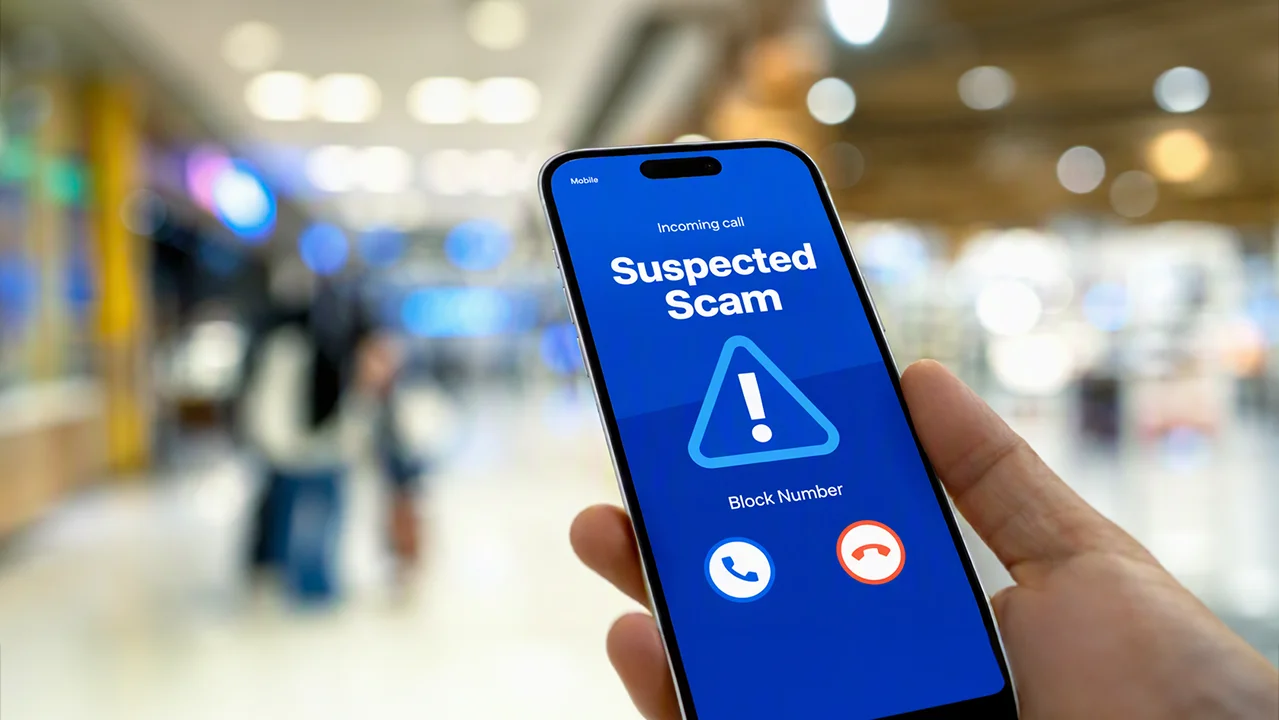
Ignore the call, let it go to voicemail or hang up. Call the organisation directly using contact details on their official website or app
Why this will help
You’ll have more time to figure out who’s calling and if they’re genuine.
Does it ask you to make a payment or update your details?
What you should do
Never click on links, provide personal details or make payments without checking they’re genuine.
Why this will help
It’s safer to be cautious and contact an organisation directly.
What you should do
Speak to your children (and/or your parents) about the importance of keeping personal information safe.
Why this will help
Scammers have targeted children online, leading them to share financial information about family members.
Do you know what’s coming out of your account?
What you should do
Check your bank and super statements regularly. Speak to your service provider if you see unfamiliar transactions or payments to unknown people.
Why this will help
It’s best to act quickly if there’s an issue.
Frequently asked questions
Scammers can target you online, by phone or email. Some of the ways you can protect your identity include:
- Not giving your personal details to people you don't know or trust
- Not giving copies of your identification document for an unknown purpose
- Securing your mail and destroying unnecessary personal information before throwing it away
- Check that your contact details on your super account are correct
- Check your bank and super statements regularly for unusual transactions and review your credit report to ensure your name is not being used by someone else to borrow money or run up debts
- In respect to your personal electronic devices (i.e phone, iPad, laptops/computers) and accounts:
- Regularly update passwords and create strong and unique passwords that only you know
- Install anti-virus and security software, or if already installed, complete a full device scan
- Clear all browsing history including all cookies.
Visit Moneysmart for more information on how to protect yourself against financial scammers.
- Contact your financial institutions immediately to freeze your accounts and credit cards (example superannuation fund, bank, the ATO for SMSF scams)
- Lodge a Police Report immediately
- Lodge a report with IDCARE
- You can also report the scam at Scamwatch and at the Australian Cyber Security Centre
If someone offers to withdraw your super or move it to a self-managed super fund (SMSF), it could be a scam. The superannuation industry and the regulator, Australian Securities and Investment Commission (ASIC) have noticed a rise in scams targeting individuals into establishing self-managed superannuation funds (SMSFs).
Watch out for emails or calls requesting your personal or account details. Scammers may pretend to be a company you know, like your super fund or a financial advisor firm. They may then use your personal identification documentation and information to transfer your super into an account they can access, like a fake SMSF or set up a legitimate SMSF, but transfer the money into a bank account controlled by them.
We have noted that our members are being cold called by seemingly ‘legitimate’ financial advisers. Some members have a long interaction with these scammers and SMSFs are properly established with the SMSF regulator (the Australian Taxation Office). Once the superannuation funds are transferred into the SMSF bank account, the ‘financial advisers’ withdraw the funds and are unreachable. Some of the websites created by these scammers appear to be genuine. Check the ASIC website to ensure the financial advisor is listed on the Financial Advisers Register.
In some scams, the application forms received by funds are not the forms completed by the members. Other instances involve the money being transferred to a ‘different’ bank account opened by the scammer (with or without the knowledge of the individual). These secondary bank accounts (which are controlled by the scammers) are easy to establish since scammers now have the relevant identification documents provided by the members to help set up the SMSF.
Scammers will try to convince you that they can help you to get your super early. Knowing when you can legally get your super protects you from these kinds of scams. You can contact our Advice team for information about your CBUS account. Ensure CBUS has your correct mobile number, email and postal address. This will help us contact you if there's any suspicious activity on your account. Regularly check your super balance by logging into your account. If something doesn't look right, contact us immediately. It may be difficult to recover funds lost in a scam as time passes.
The superannuation industry and its members is also targeted by scammers in a different way. When it seems too good to be true, contact us to have a chat about your account.
Visit the following links for more information
- https://www.afp.gov.au/what-we-do/crime-types/fraud/identity-crime
- https://www.idcare.org/contact/get-help
- https://www.cyber.gov.au/acsc/report
- https://www.oaic.gov.au/
Also available
For more information on SMSF scams
- www.asic.gov.au/about-asic/news-centre/news-items/scam-alert-self-managed-super-fund-rollover
- www.moneysmart.gov.au/how-super-works/superannuation-scams
- www.superguide.com.au/how-super-works/super-scams
- www.moneysmart.gov.au/investment-warnings/investment-scams
- www.smsfadviser.com/news/20212-smsf-scams-are-on-the-rise-here-s-how-to-fight-back
Take the next step
Keep your details up to date
Keep your personal details on your super up to date.
Don't give your personal details to people you don't know.
Know why you're sharing ID documents
If you suspect that your ID has been compromised, let us know immediately.
Extra login security
Keeping your super safe matters. We use a one‑time passcode in the Member Portal and now in the CBUS app too.
Keep your super safe
Find out more about how you can protect your super from scammers.