

Are you on track for retirement?
26 November 2025 | 18-minute listen
Most people don’t know if they’re heading towards the retirement they want. This episode helps you find out by covering:
- What to check, why it matters and what to do if things aren’t looking great.
- How much you might need, when to start planning and what happens if you leave it too late.
- The right questions to ask so you can feel more in control of what’s ahead.


Read the transcript
Introduction
Andrew M: Do you feel like you're on track for life after work?
Jackie: A little bit of panic because I haven't thought about it much.
Wally: I always prepared myself from when I was young. I always set myself a goal.
Darren: I got a pretty fancy lifestyle. I might have to cut that lifestyle back, but I think.
Ben: My life's pretty good. I bought a house when I was 25.
Andrew M: How much is in your super account? It's okay if you're unsure. You're in the majority, so whether your retirement's further down the road or just around the corner, it's time to shift the way you think about your super. From Cbus I'm Andrew McKinnon and this is the Cbus Super Shift podcast.
Each episode I sit down with one of the many Cbus coordinators who are on site with members every day, and advice team experts who also break down super concepts for a living.
The time is now to know what you're entitled to, to watch your super grow and to take action for the future you actually want.
[00:01:20] Goal setting and staying on track
Most Australians with a superannuation fund have no idea if they're on track for the retirement they want. But what is a reasonable goal and how do you stay on track without feeling overwhelmed? Well, in this episode, we're going to explore simple ways you can check your progress and understand what you need to retire versus what you want.
Joining me to track your progress is Rick Ortega, a steel fixer by trade. He's been at Cbus for ten years and is the senior manager for all of the Coordinators. Rick, thanks so much for being here.
Rick: It's great to be here, Andrew. It's great to be here.
Andrew M: Our second progress tracker is Jeff Wallens, a Cbus senior education specialist with 25 years in the superannuation space. Welcome, Jeff. Thanks also for being here.
Jeff: Thanks very much. Wonderful to be here.
Andrew M: Now, just before we dive in, I wanna remind listeners that the information in this podcast is general in nature and may not account for your specific needs. Please consider your financial position, objectives and requirements before making financial decisions. Please read the relevant product disclosure statement and target market determination on our website to decide if Cbus is right for you. We’d also like to remind listeners that past performance is not a reliable indicator of future performance.
Okay, let's get to it.
[00:02:30] What is retirement?
Andrew M: Retirement, in its simplest form, is ending all employment agreements at the age of 60 plus. As a lifestyle, well, that's up to you. But remember, it's a stage of life that could last around 30 years.
Jeff: It's really about just having time, giving yourself time to do the things you want to do. And that might be continuing to work. Maybe having a change of work to something that's more enjoyable or closer to heart, or hobby based, or having a complete change of lifestyle.
Andrew M: Rick. For members on site, retirement is a bit of a double-edged sword, isn't it?
Rick: Listen, Andrew, our members have started their working life at a very young age and that's all they've known is work, work, work. So I think trying to get to our members to try and think about retirement. Otherwise you're going to stretch it out too late because for us, it's starting at 7:00 in the morning. You don't get home till 6:00 at night. You're doing six days a week, sometimes seven days a week.
Andrew M: Wear and tear on the body is a real issue in building and construction. Sure, the pay can be great, but longevity isn't assured. This could mean your compounding interest is cut short, and your super balance isn't quite where you'd like it to be. So, Jeff, when is the best time to start when it comes to planning for retirement?
[00:04:02] When should you start planning for retirement?
Jeff: There's a great little saying, and that is that the hardest working dollar in your super is the first one that went in there. So I would argue that early or the time to start is as soon as someone enters the workforce. Now that's going to be a little bit difficult to hear for someone who might be in their 50s or 60s and starting to plan. But the super system really is designed to work very well long term. That's the nature of compounding in investing. The compound returns, they're more effective over a long period of time.
Rick: Yeah, I think the awareness is actually sort of building now. And we encourage our members to download the app to make sure that they're getting paid their super. So, most of them would be aware about how much they've got. But the question that we get asked a lot out on site is like, how much do we need to retire on?
[00:05:13] How much do you need to retire?
Jeff: I think it is still a very big question mark, and rightly so, because the cost of our lifestyle is changing quite a lot. But I think it's unfashionable, certainly at an early age, to be seen to be investigating these things. So it all comes back to failing to plan is planning to fail. It's as simple as that. So I think it's about having a bit of a target. And that might be for example the balance of your super account. And for other people it might be the value of their other investments, or even to simply understand what Age Pension someone might be looking at qualifying for, at least to have a bit of an understanding of what to expect in terms of income, what other assets they could draw on or convert to income in retirement, or what inheritance they might expect, all sorts of things. So throw everything into the mix, which is going to be very different for each person, and at least begin to form a bit of a realistic target.
Andrew M: So it's important to keep in mind that not everyone needs $1 million to retire. As Jeff said, your balance will depend on your income and your assets, but also on expenses like food, housing, health and what you do for fun. For more information to determine what enough is, ASFA, the Association of Superannuation Funds Australia has some really helpful guides. They don't replace personalised financial advice, but they can be a good starting point. You can find the link in the show notes of this episode.
[00:06:35] Checking your super balance
Andrew M: Rick, how else do you encourage members to check if their super is in good shape?
Rick: Well, Andrew, we encourage our members to actually log on to the member portal. That way they can see the contributions going in. They can see how much insurance that they've got, um, their beneficiaries, and also make sure that they're getting super paid because of compounding interest. If it's not going in there, they're not earning.
Jeff: I'd add to that. Start getting a better understanding of your own account. Have a look at your statement. What do all the numbers mean? Super funds want their members to have a successful outcome. Log into the portal. Have a look at what your account is doing. Your insurance, your investments.
Rick: One thing, Andrew, that I've got to try and sort of press home is our members look at the app on a daily basis and and it drives them mad when markets do fluctuate. But really super is a long term strategy. So if they can refrain from thinking knee jerk reaction, maybe ring up and have a chat with the advice team.
Andrew M: That's actually a really good point, Rick because going from not checking regularly to becoming jumpy and reactive based on market swings is just as counterproductive. A proper check-in with a financial advisor when your circumstances change, or every 6 to 12 months, is a much better approach.
[00:08:18] Now is a great time to get started
David: Even though you may think you've got all the time in the world to get ahead or to plan for your future, do it as soon as you can because it'll be a lot easier.
Wally: I always talk to young blokes. You've got a bit more coin. Don't just go and buy a brand new. Whatever you buy, just think about your future
Andrew M: Look. These are wise words from a couple of blokes with retirement not that far away. Building your super balance isn't just about having enough money. It's also about peace of mind. Because neglecting your super can lead to regret. And that is a heavy weight to carry. So if you're feeling that you may have missed the boat, don't. There might be still some runway left in your 50s, 60s and even your 70s to add to your super.
Jeff: I would say to them that it's never too late, and there are some really interesting little rules that allow people to get fairly large amounts into super within a fairly short period of time, even in retirement up until the age of 75. And I just urge people to investigate it with your super fund.
Rick: Yeah, they tend to say, I wish I had, I wish I would have, I wish I would have known. But we say to them, it's not too late. Like Jeff was just explaining it's not too late. There's still an opportunity of trying to play catch up.
Andrew M: And word of mouth on site or in the workplace. That's a pretty strong influence, isn't it?
Rick: It certainly is. And we've just had a member that just recently retired, and he was like a delegate on the job. And he would encourage all the younger people to actually, um, look at salary sacrificing, even if it was small amounts, you know, because he's retired now and he's comfortable. And it just goes to show to the younger members what they can do if they start early and work their way through.
[00:10:00] Other entitlements you might be eligible for
Andrew M: There really are great ways to grow your superannuation through additional entitlements that you may be eligible for or co contributions, which could be a big boost to your super bottom line and help you avoid the sting of regret.
Jeff: And it might be a case of not realising that you're missing out on some entitlements, such as the ability to get a small co-contribution from the government. If you also contribute to your own super, or maybe qualifying for a tax offset because you've made a small contribution to your spouse's super. Again, depending on your spouse's income, there are measures in place to make super an appealing place to prepare for retirement. So investigate those and see if they could work for you.
[00:10:42] What is preservation age?
Andrew M: Preservation age is a phrase that comes up a fair bit in the superannuation literature. What is it exactly?
Jeff: So preservation simply is the government's mechanism to restrict our access to super based on our age. Now, when Super Guarantee first came in in 1992, that money wasn't necessarily preserved in super, we could withdraw it from super. And then later preservation rules came in restricting that access. Now, preservation is not the only restriction to access that, there are some work related restrictions as well. But from an age point of view, it simply means once we've turned 60 from that point onwards, if 1 or 2 other doors open up then they would get access to their super. But the really interesting thing is, and what I really would urge people to investigate if they are 60 plus, even if they're still working. Well, we've now got transition to retirement income stream options for them between 60 and 65. And this could be a really useful way to trickle some income out of super to supplement their income, and this can be a great way to transition to retirement.
[00:11:55] Making super easier to understand
Rick: I had a situation when I was down in Tasmania where a member came in with his partner. And he goes, I read up a little bit about this transition to retirement. He goes, tell me about it. And so I explained to him what it was, and then he turned around to me after that. And he his partner was in a defined benefit. And he goes, Vickie's all right. But I said to Vickie before we came in, there's no way known I'm signing anything. No way known. He goes, where do I sign? And so, you know, by understanding what transition to retirement is all about, it gave them peace of mind and he understood what he could do moving forward.
Andrew M: I absolutely love that. That's precisely the goal to make super is easy to understand as possible, and once it clicks for people, it's almost a no brainer to move forward. Still, getting to retirement is a journey, and mistakes do get made along the way. What are some of the more common mistakes you'd like to see people avoid? Rick.
Rick: I think the major issue is having a plan in place, because there's quite a number of people that I know that have just retired working six days a week, working ten hour days, and then all of a sudden it stops. And so they lose contact with these people because these people are still working and they're sitting at home and they haven't made a plan about what they want to do in life. It can be a bit disastrous.
Andrew M: Well, that's right, it's community. Your work family. Yes. Retirement is about the money you need to see you through, but you've also got to consider your mental health.
Rick: Correct, correct. And it's a shock to the system, you know, and they need to think about it a few years beforehand and try and put things in place.
[00:13:40] Things to look out for
Andrew M: Jeff, what mistakes come to mind for you?
Jeff: Well, one of the most common I see is the default settings within super. So when someone joins a super fund, three things kind of happen by default. One is their employer contributes for them, and that's a requirement on employers. And most people qualify for default level of insurance cover. And then we also get put into a default investment option if we don't actively make a choice. So these are three really important aspects of a super account that each person can improve and tailor to their circumstances. So the mistake I see is assuming that those default settings are the most suitable. So coming back to contributions. So super guarantee it came in in 1992 and it was at 3% of our incomes. And I'd argue that even today, now that it's 12% 33 years later, the super guarantee was and probably still isn't ever designed to be enough for us to retire on. It was simply there to just give us a bit of a kick start. But the system was also designed for us to contribute more than that. When we look at the three pillars of retirement. It's the two types of super contributions employer and then personal, and then the Age Pension as a backup. So it's really important not to assume that just because your employer is contributing for you, that that's going to be enough.
And a lot of people make the mistake of thinking, oh, well, if there's a default investment option, that must be the right one for me. And that doesn't necessarily make it the right investment option for each person. So either more volatility and therefore more risk could be more suitable for someone with the upshot being better long term returns, or maybe a less risky option if someone is getting close to retirement and can't afford that volatility. We all know that what makes investing successful is time in the market, not timing the market.
Andrew M: Couldn't agree more. Those default settings might be just right for you, or you might be leaving money on the table by not tweaking them. Decisions, of course, to be made based on advice from a financial planner. Jeff. Rick, where can people start if they want to make even a small change today or get more information?
[00:15:56] How to get started with your super
Jeff: Well, either come along to a seminar or a webinar and they're fun. We have a bit of a laugh. There's lots of questions that come up. You get a bit of a feel for what people are thinking about super in general, but I think if that's not immediately available, just get in touch with your fund, even the call centre or the advice team. And in Cbus’s case, we have a telephone advice service that is available that that's provided at no additional cost to members current membership fees. And even say to them, I don't know what's going on or I don't know what to ask, but what can I do to improve my prospects for retirement? It might be as simple as that. So it's okay to not know what to ask.
Andrew M: And it's easy enough to book in. Just head to the Cbus website, search for education sessions, fill in your details, and Bob's your Uncle. Rick?
Rick: Well, they can ring up the advice team. They can actually call the Coordinator so that we can point them in the right direction. No question is a dumb question. So ask the question.
Jeff: The website is a great place to start and they can find information about the advice team there. Last week I was running a seminar and a gentleman put his hand up and said, I haven't gone to the advice team because I don't want to be sold a product I don't want to be sold to, and I really get that concern. I've worked in the financial planning industry as an advisor. I was a salesperson for one of the banks, basically. So I get that there is that concern. But also these services don't commit people to spending money or making changes to their financial arrangements. It might just be about understanding what small steps they can take to improve their long-term prospects, and certainly Cbus’s advice service is based around strategy, not products. And there's a big difference between going to a product advisor who might be there to sell you a product, and someone who's there to understand your circumstances and what decisions might help improve those.
Rick: The other thing is like, I mean, we've got front counter around the country, which is like unheard of with a lot of funds, having people where they can actually go into the office and have a chat. We've also got the Coordinator team where they can ring up, and we can just come around and sit down and just give them the basics, lead them down the right path of ringing up the advice team or breaking things down so that it's more understandable for them.
Andrew M: Now that's absolutely fantastic. Really useful information. Rick and Jeff, thanks so much for being here today. I've really enjoyed our conversation.
Rick: Thanks for having us.
Jeff: Thanks, Andrew. Great to be here.
Andrew M: You've been listening to the Cbus Super Shift podcast. Listen to more episodes at cbussuper.com.au/podcast or follow Apple Podcasts, Spotify, or wherever you listen to podcasts.
What you'll take from this episode
- Start early: Small contributions now can grow significantly over time.
- Know your numbers: Regularly check your super, insurance, beneficiaries and investments via the portal and app.
- Stay the course: Super is a long-term strategy. Avoid reacting to short-term market changes.
- Make the most of what’s available: Explore co-contributions, spouse contributions and other entitlements.
- Plan for life after work: Understand when you can access your super and what a fulfilling retirement looks like.
Related resources
Explore tools and resources that help you grow your super and plan for what’s ahead.
Meet your host and guests
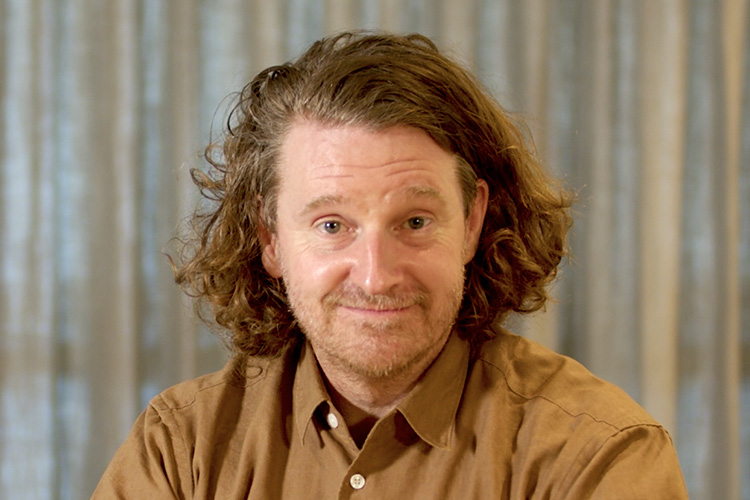
Andrew Mackinnon
Host
Andrew tells stories that uncover what drives people, how they plan, make decisions and shape life after work.
His background in journalism and communications brings complex topics like super and retirement to life in clear, relatable ways.
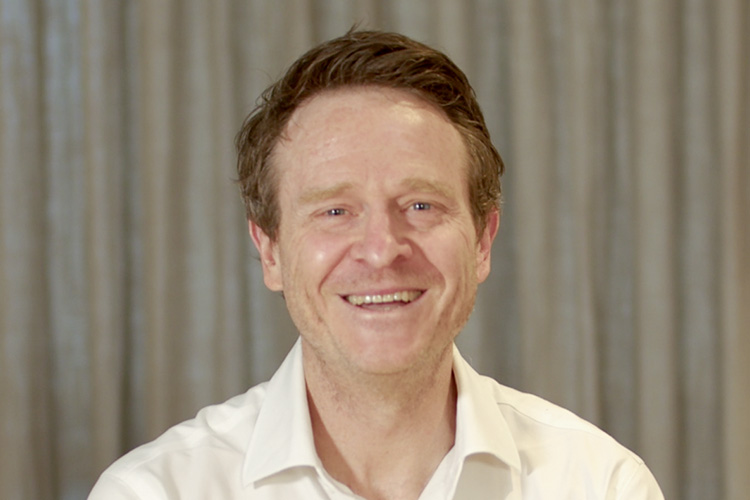
Jeff Wallens
Senior Education Specialist, Cbus Super
Jeff believes education is at the heart of getting the most out of super and retirement.
He has over 25 years’ experience in super. At Cbus, he delivers webinars and seminars on retirement planning.
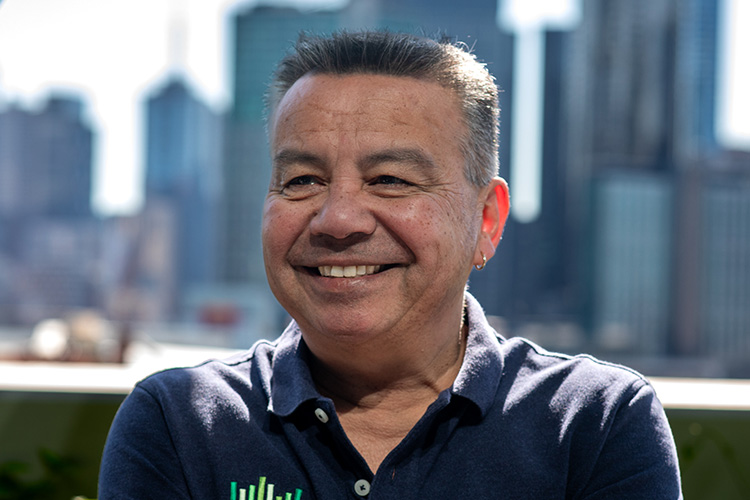
Rick Orterga
Senior Manager, Coordinator
Rick keeps projects moving and people connected.
He brings ten years in super to support Cbus members on worksites every day, listening first and acting quickly with practical help where needed.