

Your retirement check-up
20 May 2026 | 18-minute listen
Keeping your super on track doesn’t have to be hard. This episode breaks down how to run a retirement check-up and what to look for:
- When to check in on your super
- What to review, from investments to cover and beneficiaries
- How to keep your super on track as your life changes


Read the transcript
Introduction
[00:00:01] Tom: At least once a year is a good rule of thumb helping keep track of your goals regarding your super, but especially after certain major life changes. So, if you're having any children or new job or you buy a new house, those would all be good reasons to check in with your super as well.
[00:00:23] Andrew: This podcast series has been about what happens to your money in retirement. The key takeaway your super and retirement planning isn't something to set and forget, and regular retirement check-ups are essential. From episode one to this, the series final, our top tier CBUS coordinators, educators, and advice specialists have jumped in to help put you in control and explore super, how to maximize your age, pension budgeting and perks like concession cards, tax offsets, the work bonus and benefits of working in retirement. We've also looked at the impact of downsizing, checking your insurances and the importance of nominating beneficiaries, a process which CBUS continues to significantly streamline.
So, it's time for your retirement check-up. When, how, and with who? Well, keep listening to find out and to shift the way you think about your super from CBUS.
I'm Andrew McKinnon and this is the CBUS Super Shift podcast.
Like all the guests from CBUS who have joined me this series, Thomas Bukolt is thorough in his advice. And with six years in the industry, knows super back to front. He's a superannuation advice consultant and is the perfect person to discuss the importance of retirement check ins. Well, we've saved the best for last. Thomas, thanks for being part of the conversation.
[00:01:55] Tom: Yeah. My pleasure, Andrew. Great to be here.
[00:01:58] Andrew: Now, just before we dive in, I want to remind listeners that the information in this podcast is general in nature and may not account for your specific needs. Please consider your financial position, objectives, and requirements before making financial decisions. Please read the relevant Product disclosure statement and target market determination on our website to decide if CBUS is right for you. We'd also like to remind listeners that past performance is not a reliable indicator of future performance.
Okay, let's get to it.
Your retirement needs can change over time
In many ways, we need to think about our super and retirement as reflections of ourselves. Living, ever changing entities that need to be checked and nourished regularly.
[00:02:47] Tom: Your needs change over time. So even if you're retired or even if you're not changing your job, your financial situation could still change. Your health could change. Your financial goals can shift. So, we want people to check up on how their retirement planning is still going. Helps to avoid surprises as well. You know, if you review things regularly, you can catch issues early, whether it's an outdated beneficiary nomination or outdated insurance.
And it really keeps you in control. So, you know, the more you check it up, the more confidence you can get that, that your money is working for you, not against you. Another important factor in checking up on how your retirement planning and how your super is going is any milestones that you might reach that might make you eligible for certain options or entitlements like your preservation age, or your age pension age. And, you know, there's certain opportunities based around those core stages. So, when someone's 50 to 59, they'll probably still be working and they'll be planning ahead, they'll be looking at seeing, you know, what sort of investment is right for me. Should I change my options there? Should I be making extra contributions into my super. Is my insurance still fit for purpose at this age?
And then once someone turns 60, that's the preservation age. So that's when people can potentially start to withdraw from their super. And some people do, some people don't. They'll keep building on their super. And then at age 67, that's the Age Pension age where it depends on your assets and income as well. But you might become eligible for Age Pension. And look, some people, you know, they'll work right up until their 67th birthday. And then, you know, they say, see you later, boss. And then next day they apply for Age Pension. Some people might still continue to work part time, or some people might retire at 61, 62, three, four and, you know, rely on their super from then. So those ages are really key to understanding what certain changes you can make to your super and to your financial situation overall.
What do you want your retirement lifestyle to be?
[00:04:43] Andrew: And I guess for the check up to make sense, members should first have an idea of the kind of lifestyle they'd like to have come retirement. How would you take them on that journey?
[00:04:54] Tom: Well, I think the first thing would be we want members to write down, have an idea what sort of lifestyle, what would be an average week for them in retirement. What are your typical everyday costs. And then what are your discretionary costs? You know, how much do you want to spend on holidays per year going out, whatever it is else that you want to do. And then from that, you can work backwards to have an idea as to how much per year you might want to live on in retirement.
Check on your super investment options
[00:05:21] Andrew: And when it comes to superannuation, what should members be keeping an eye on?
[00:05:26] Tom: Oh, well, look, there's a few things. First of all, I think your investment options would be a great thing to keep an eye on. You might just be in the default option. So, checking if you're in the right risk level for your stage of life, would you be comfortable with more risk? Or perhaps you might be more risk averse getting closer to retirement? But even if you already are in retirement and you're having an income stream and you're receiving payments from your super, are those payments still meeting your current needs? Will they still meet your needs in the next six, 12, 18 months time?
Check your insurance and beneficiaries
And of course, the insurance on your account, the beneficiary nomination. That's a big one, of course. We want people to check in and make sure that the amount of insurance, the type of insurance they have and the people they've nominated to leave any potential benefits to that, those are all relevant and right for them at the time.
[00:06:14] Andrew: Yeah, beneficiaries is very important. And we will talk more about that in this episode. How often should someone check their super balance and investments?
[00:06:25] Tom: At least once a year is a good rule of thumb, helping keep track of your goals regarding your super, but especially after certain major life changes. So, if you're having any children or new job or you buy a new house, those would all be good reasons to check in with your super as well. And look, getting into that rhythm is important so that you can review your insurances who you've nominated as a beneficiary nomination.
But, you know, just revisiting your goals, tracking your spending generally. And if you're receiving any Centrelink payments, like Age Pension, for example, then updating Centrelink as well to make sure they're aware if anything changes.
Don't rush into super changes
[00:07:09] Andrew: The key also is that superannuation is, for the long term perspective is needed when economies and markets fluctuate. So while we encourage regular check-ups, we don't recommend constant monitoring of your super account and knee jerk reactions, which might negatively impact your final retirement balance.
[00:07:28] Tom: We want people to be aware that most super balances you'll be invested for at least 30 or 40 years, so we don't want people to worry too much about short term ups and downs. Sometimes we get people reacting to drops in the in their super balance because, you know, the share markets haven't done so well in certain periods.
So, look, it's normal to be worried about those things. But we want people to look at the big picture the long term. We expect those sort of challenges in the short term. But over, you know, 30 to 40 years, those are normal parts of investing. But certainly we want people to reach out to the advice team here at CBUS. There's plenty we can talk about and advice that we can provide. If you'd like to review your investment options or anything else with your super, really.
[00:08:17] Andrew: Would a yearly retirement checkup be helpful for you?
[00:08:21] Ben28: I think so, for sure. Yep. Steer me in the right direction and make sure I'm on top of what needs to be done.
[00:08:26] Layla24: It's not something I've really looked at, which I should, but no, not particularly. But yeah, I should do that. Another thing to the list.
[00:08:36] John Doe2: I wouldn't even know what to do. Go on the website. Maybe I'd probably go on the website. And then now that you've asked me this question, I probably want to start. You got me thinking about it.
A yearly retirement check in
[00:08:49] Andrew: I reckon it would be safe to say that for most members, at least, an annual retirement check in would be hugely beneficial and really welcomed. So, Tom, how can members start? Where can they go to check the status of their super balance and investments?
[00:09:04] Tom: Well, look, there's a couple of ways, but through our member portal online, it's got all that information there. So you can do it by downloading the CBUS app on your phone, or you can do it on your computer pretty quick and simple. Shows your balance. Shows the investments that you've got, shows what the performance has been. And yeah, it's got also your insurance and details, nominations. Everything really there at a glance.
[00:09:28] Andrew: And if a member wants to change something, how should they go about it?
[00:09:32] Tom: Well, look, you can use the online account or the app to change things like investments and insurance. But we want people to reach out to the CBUS advice team, especially if they're unsure or if they, you know, they want further clarity on what they can do and what they should be doing. And yeah, our advice team can help people understand what their balance at the moment means for what they're going to have in the future. And you know, how certain changes now can make an impact on their retirement in the future.
You have control over your investment options
[00:09:59] Andrew: And is there anything in particular that people tend to forget or overlook when they're checking their super?
[00:10:05] Tom: Oh, well, certainly the investment options look, a lot of people might not realise, especially if you don't pay attention to super as much as you and I do that. There's different ways that you can choose the super to be invested. So if you haven't made a choice, it'll be in the default option. Now, that might be right for you, but there could be a better option out there for you. So that would be one major thing that we'd want people to reach out to us on. And, and we can give them some advice on.
Keeping beneficiaries up to date
[00:10:30] Andrew: We've spoken a fair bit about beneficiary nominations in this podcast series. Why is it important to check your beneficiary nominations?
[00:10:39] Tom: Well, the key thing there is that super it doesn't automatically become part of your will, if at all. You need to make sure that your super is paid to who you choose to leave your super to, and if certain life changes happen to you, then that can make old nominations invalid. Or they might not be as what you want them to be. And look, there's some updates to our beneficiary nomination system for CBUS members.
[00:11:04] Andrew: That's right. CBUS is making changes to the beneficiary nomination process later in 2026. When things are ready, we'll let you know what's changing and what it means for you.
[00:11:14] Tom: Absolutely. Yeah. So making it easier for those who would be in a very difficult situation, obviously having to claim on those benefits. That's really what it's about.
Adjust insurance as needed
[00:11:27] Andrew: When it comes to your insurances like income protection, death cover and TPD or total and permanent disablement, as Tom said, these can sometimes be overlooked with focus instead on the balance of your super account, but there are some key life events that can trigger your need for these insurances. So absolutely include them and the beneficiaries of them in all the reviews that you do.
[00:11:51] Tom: If your circumstances change, you might need more or less cover if your financial status changes. So a new job, especially if it's a new type of job, or if you get an increase in pay, for example, if a partner becomes unwell, that could be a time to reconsider what insurance you have.
And certainly, if your relationship or your family status changes, so you enter a marriage or there's a separation or you have more children. Those would all be times to certainly check and make sure that the cover is right for you. But that's also why we want people to do an annual check-up because, you know, it might not be too obvious when to review it. So we want people to keep an eye on these things on a semi-regular basis, making sure that it's all good for them.
At the same time, you can check to make sure that there's not covered that you don't need. Sometimes people have insurance outside of super might be provided by their employer, so they might not need necessarily the cover that they have in super. Before you retire, or if you're intending on taking a break from working, then that might certainly be a time to check your insurance as well. There are certain instances when the insurance can end if you stop working, for example.
So if you're at retirement or you're taking a career break or you're becoming a sole trader, if there's no more contributions in the account for 16 months and you don't opt in to keep the insurance, CBUS would be forced to cancel the insurance in those circumstances.
[00:13:18] Tom: That's legislation. But it's also as well if you're closing the account. So if you take all the money out of the account, if you're claiming on some of the insurance, then CBUS actually stops any other insurance arrangements on the account.
Ultimately, it's important for members to be aware of what insurances they have on their account, especially before they take out their funds, if they're closing the whole account, for example, or if they don't opt in to keep the insurance. There's certainly cases where members take out their funds from the account that automatically closes the insurance, because there's no more money for the insurance to be paid from, and then they might realise they don't have life insurance or income protection cover outside of super, so they might cause themselves to be uninsured if they don't check what they've got properly.
Ultimately, it's important for members to be aware of what insurances they have on their account before they take out all of their funds, or not opting to keep their insurance. There are certainly cases where members, they'll take out their funds from the account. They might move it into an income stream account, for example, and then they realise they don't have insurance cover in super anymore.
The Age Pension and income streams
[00:14:26] Andrew: Okay, let's talk about age pension payments and income streams, because these are important to review as well.
[00:14:32] Tom: Yeah. Look, absolutely. With an income stream from superannuation. That's where you can keep your money invested, while also drawing out regular payments fortnightly monthly from your super. It's about balancing the growth of the account versus the income you're drawing from it as well. Keeping some money invested can certainly help it last longer, meaning you can take more money out there for longer as well. You could also be receiving different Age Pension payments depending on what your information is with Centrelink.
So we want you to keep your Centrelink information up to date. After 67 especially, you may even receive different Centrelink entitlements. So there's other payments. There's the Commonwealth Seniors Health card, which gives you discounts on things like registration, prescriptions and things like that. So making sure that you’re linked in with Centrelink and that they've got your right information can certainly help to supplement your retirement income and have a good lifestyle and retirement. And from the income stream account, the amount that you're withdrawing does matter.
You don't want to necessarily withdraw too much or too little. You want there to be enough to grow and keep sustaining you for retirement. But look, you also do want to make sure you're withdrawing enough to have not just a decent lifestyle, but a good lifestyle in retirement.
[00:15:42] Andrew: There's a lot to think about, isn't there? But really the key takeaway for members is that benefits can outweigh the risks of not keeping up with your super, of not planning or keeping your details up to date.
[00:15:54] Tom: Yeah, that's right Andrew. Look, if you don't have the right details, you could miss out on certain entitlements like Age Pension or certain tax offsets or tax benefits. You also might be paying for too much insurance or you might not have enough insurance. Your insurance needs might not meet the lifestyle that you'd want to have if in a situation where you can't work. So we want people to certainly make sure that their insurance is up to date and fit for purpose, too.
Where to find out more
[00:16:29] Andrew: Now, we might not have covered every single detail in this episode, but there's a lot you can do to find out more and take control of your super.
Attend a retirement planning seminar or webinar. Just head to the CBUS website, search for education sessions to find the one that suits you.
There's also the How Super Works and Age Pension Fact sheets, which cover a lot of the information we've discussed. And as you start thinking about your retirement budget, you could also use our online budget spending planner to start putting a budget together.
You can also hop online and use the Retirement Income estimate calculator to see how much super you might have when you retire and how much income that could provide. It can also give you an estimate on how much age pension you're likely to receive, and when you can apply for it.
And you can also listen to more of the CBUS Super Shift podcast, which covers a range of topics to help make the most of your super, now.
Of course, there's the website cbussuper.com.au for more detail on everything you've heard in this episode. And there's also the CBUS advice team you can contact on 1300 361 784. Reach out to the on-site coordinators or even walk into the CBUS front counters located in each state, and you'll find staff ready to help.
And all of this information can also be found in the show notes of this episode.
Tom, thanks so much for being on this final episode and explaining the importance of assessing your super and regular retirement check-ups.
[00:18:04] Tom: Yeah, thanks. Great to be here.
[00:18:09] Andrew: You've been listening to the CBUS Super Shift podcast. Listen to more episodes at cbus super.com.au/podcast or follow at Apple Podcasts, Spotify, or wherever you listen to podcasts.
What you'll take from this episode
- Check in regularly: at least once a year and after major life events
- Review your investments: make sure your option and risk level still match where you’re at
- Update your cover and beneficiaries: keep them current as your circumstances change
- Think long term: avoid reacting to short-term market movements
- Use tools and support: access your account or speak to the CBUS Advice team
Related resources
Explore tools and resources that help you grow your super and plan for what’s ahead.
Meet your host and guests
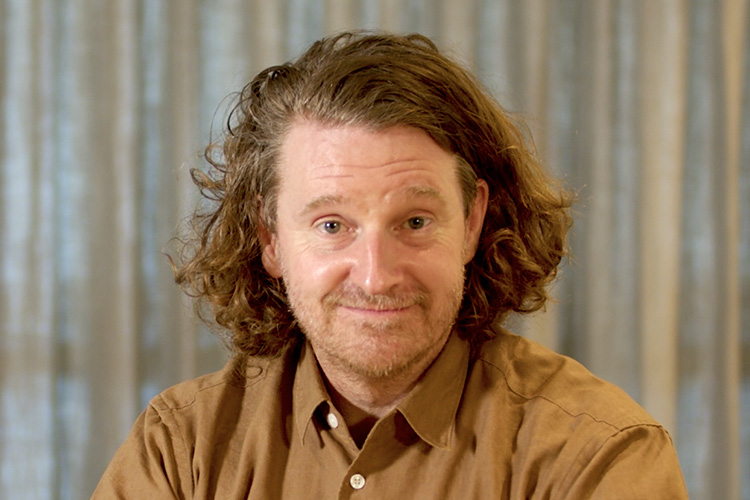
Andrew Mackinnon
Host
Andrew tells stories that uncover what drives people, how they plan, make decisions and shape life after work.
His background in journalism and communications brings complex topics like super and retirement to life in clear, relatable ways.

Thomas Bukolt
Superannuation Advice Consultant, CBUS (Vic)
Thomas has spent six years in super, building a strong understanding of how it all works.
He helps members make sense of their options and plan their next steps.