

Your retirement game plan
25 March 2026 | 17-minute listen
We can’t predict the future, but there are things you can do to help navigate the changes to come:
- How to prepare for life changes, not just income changes
- Understanding there’s no single ‘right’ retirement lifestyle
- Staying curious and taking small, informed steps over time


Read the transcript
Introduction
Di: [00:00:01] It's not a one size fits all because what may be comfortable for one person, a comfortable retirement lifestyle, one person or one couple could be totally different for another person or another couple.
Andrew: [00:00:21] Picture it. You're on the edge of retirement, looking at what could be the next 10, 20 or 30 years ahead. What do those years look like? Sure, we can't predict what's going to happen, but we can try to plan for what we'd like them to be and certainly what we'd need them to be. So where do you start? How do you frame your purpose and avoid the potential shock of retirement? Well, keep listening to shift the way you think about your super from CBUS. I'm Andrew Mackinnon and this is the CBUS Super Shift podcast. If anyone can help you put a retirement game plan together, it's returning guest Tracie Wilson, CBUS Coordinator with 20 years in banking and finance in the construction industry and ten years at CBUS. Welcome back, Tracie. Thanks for joining the discussion.
Tracie: [00:01:16] Thanks, Andrew. It's great to be here.
Andrew: [00:01:18] And Dianne Abbley, a CBUS retirement advice consultant who has been in the superannuation industry since 1997. Di, excellent to have you here. I'm looking forward to our chat.
Di: [00:01:29] Hi, Andrew. Thank you so much. Me too.
Andrew: [00:01:32] Now, just before we dive in, I want to remind listeners that the information in this podcast is general in nature and may not account for your specific needs. Please consider your financial position, objectives, and requirements before making financial decisions. Please read the relevant product disclosure statement and target market determination on our website to decide if CBUS is right for you. We'd also like to remind listeners that past performance is not a not a reliable indicator of future performance. Okay, let's get to it. Di, going from decades of work to all of a sudden, stopping can be a shock mentally and financially. So how do you plan for that change?
Planning for a big change
Di: [00:02:19] Don't do anything rash. Stop and look at preparation and resources as well. And trying to think, okay, well what is the first say three, six and 12 months even look like? And then you can start thinking beyond that. Financial is important, however, what is life going to look like? What are you going to be doing with yourself? What activities are going to make you happy? What family commitments do you have? Do you want to travel? Do you want to volunteer? And it doesn't have to be instant. So retirement doesn't have to be turned on and off like a tap. You can consider maybe easing yourself into it as you transition into retirement if you possibly can as well. So things like hobbies, travel plans, family commitments, friendship or association groups, you know, some people may be dealing with health issues or even caring. Being a carer for a loved one. Some people may not have family or a large circle of friends as a support network either. So how's that going to work for them? What can they seek out for themselves? You know, mentally and emotionally, it can be even more difficult for those people if they don't have that support and that network. So being open to looking at doing things that you really enjoy. And of course, it's got to be affordable and viable for not only how much they need, but how long they need it to last.
Andrew: [00:03:45] No, it doesn't have to be immediate. You know, when you're retiring and Trace, when you're talking to members, do you think it's easier if they phase out of work rather than stopping suddenly.
Tracie: [00:03:56] Yeah. When I talked to the members on site, it's very good if they've obviously got a hobby, sports or grandchildren, whatever it is. But if they don't have that hobby, often some of them really struggle with that retirement.
Big things to consider for retirement
Andrew: [00:04:07] Well, before you retire, what are the three big things to check when it comes to super?
Di: [00:04:13] The three key things is really how much super do you have? How is your super invested? And this is a really important one, what options are available around my super at retirement? You know, how much will you need and where it's all going to come from. So when employed, you're used to receiving a wage paid, you know, monthly, weekly, whatever it is. When you retire, what level of income do you need and where is this going to come from? Have you got current savings? Are you going to convert your super into a retirement income stream? Is Age Pension in the mix yet? People might have other sources of income, you know, bank interest, rental income, dividends and so on. So let's think about how long will it last. It's important to understand whether your current retirement savings and other financial assets is going to be sufficient to fund your desired lifestyle, or if any adjustments in your plans need to be made. And even if they're not retiring straight away, are there other strategies that people can take advantage of?
Andrew: [00:05:16] What are some examples of those strategies?
Di: [00:05:18] Oh, look, you know, we're talking about making more contributions. So whether they're eligible for a government co-contribution, whether a spouse is going to put contributions away for their spouse or partner, are they going to downsize the house? So there are a few ways that people can look into the options there.
What's your purpose?
Andrew: [00:05:47] It can be easy to say, I love gardening or seeing the grandkids or going to the theatre. But what's going to get you up in the morning? What's motivating you during this phase of life? Ultimately, what's your purpose?
Di: [00:05:59] Everyone's purpose in life is different, but there are some questions you can ask yourself. You know, where do I place my value and why? Where do I feel relaxed, calm, free, fulfilled? You know, these are really good things to think about. Great to acknowledge that for the first few months of retirement, switching off could be really hard. And embracing the change. You know, some people change is nothing to them. They can just swing with the punches or with the breeze. For other people, it's really tough.
Tracie: [00:06:30] And some of them aren't up for change and they've been working all their lives. You know, many of them for 50 plus years. So yeah, it's about embracing that change and knowing what they're going to do going forward. Having some plans.
Linda 58: [00:06:47] After work, I would have to be a volunteer. Yeah, I've always enjoyed working, whether it was part time, casual. At the moment I'm full time, but I'm not a home person. I've always enjoyed working.
John Doe1: [00:07:01] Yeah, I'm a bit nervous about my super because I don't think I've got enough. So I do feel a bit trapped that I've got to work.
Nasrullah 23: [00:07:07] I just want to stay busy, man. What do we do? At home there's only the footy. Once in a while your mates come over and everyone's busy, so there's a lot of work. Unless, I get $1 billion, but.
John Doe2: [00:07:18] I haven't really thought about what life would look like in retirement. It's so far away.
John Doe3: [00:07:22] The first thing I do when I stop working would be, I think, have a big party, probably go on a holiday and then put a plan into place on how I look after my mental and physical health.
How much do you need for a comfortable retirement?
Di: [00:07:37] Okay, what does that mean? Can you eat out? What sort of discretionary spending versus the fixed spending that we've got to have look like?
Andrew: [00:07:47] That's right. Di. And according to the Association of Super Funds of Australia. Comfortable retirement standard as at September 2025. That's around $54,240 for singles and $76,505 for couples. Now, as we heard from our members earlier, they might not know what their daily costs are, let alone their annual ones. So what can members do to not feel stuck in employment?
Di: [00:08:14] In the conversations that we've had with our members, the thought of not having that pay coming in every week or fortnight can be really scary. For some people their career and occupation is such a big part of their life, and maybe to them it's their identity. You know, they can't imagine their life any differently. Many people have either read or listened to experts speaking to the media, and they tell us we need, you know, a minimum of $1 million each for a comfortable retirement. You know, some people just think, gosh, I've with my little bit of money, I'm just going to put it in the too hard basket. I'm not going to think about it. You've really just got to take everything one step at a time. You know, we can't stress that enough. Going off and making knee jerk decisions. Knee jerk actions could be the biggest mistake people can make.
Every little contribution helps
Andrew: [00:09:02] And you know, we were talking about starting small, just contributing, just doing it.
Tracie: [00:09:07] Yeah, yeah. Because I mean, they say something like $10 extra per week or $20 per week. How much that's going to give you on a balance of 150,000. And you show them the difference. They find that awesome, you know. And that's as little as they need. And they don't have to do it all the time. You know, they can just do it for six months of the year when they can afford it.
Common mistakes to avoid
Andrew: [00:09:27] Di you mentioned that one big mistake to avoid is making knee jerk decisions and to rather be more thoughtful in your planning. What are some other mistakes to avoid when it comes to super and preparing for retirement?
Di: [00:09:40] Some people just rip it all out of the super fund just like that, without getting any advice or looking into anything. For some people, leaving money in what we call the accumulation phase when people retire is another one that we find quite a bit. People need to get advice, of course, for their personal circumstances. But, you know, most people are not aware that the investment earnings are treated differently in the what we call pension phase, where they can get their regular pay. They can choose, you know, fortnightly up to once a year and not even making the most of their entitlements. So you may be missing out on receiving the Age Pension you're entitled to, even if you're working part time. I like to call it turning over every rock to see what's underneath, explore.
Andrew: [00:10:31] That's actually a really important point, Di because you could be missing out on up to $45,000 a year as a couple simply because you were late submitting your Age Pension application. Please don't let that happen to you. You know, it really is about staying curious to change your circumstances for the better. And you can do that by firstly understanding your budget. How much do you currently spend? How much will you need to spend? You can use our online budget spending planner to help guide you through this. Secondly, understand how much you'll have in super when you retire and our retirement income estimate calculator can help you make those calculations. Thirdly, understand how much you will get from the Age Pension which our retirement income estimate calculator can help with as well. Or for members 66 years and older, they can use the new Age Pension calculator on the CBUS website. And finally go to our retirement planning website, which is links to some of the resources you can access as a CBUS member, including calculators and our very helpful seminars and webinars with Jeff Wallens, our senior education specialist.
Tracie: [00:11:42] Yes. Yeah, sometimes it definitely can. It's education and telling them that obviously we can get someone to call you, which I often do. It's a lot easier. I actually log the call and get the advisor to call them at a suitable time for the member.
Feel like you've left things too late?
Andrew: [00:11:56] If someone feels like they've left it too late, Di and they've done all that investigating on their own, and they're still not sure what their next step is, what can they do?
Di: [00:12:05] Please contact CBUS. Come through to us in the Advice Services team. Start the conversation. If you're out and about and you see someone on one of our valuable coordinators like Tracie, stop her and have a chat to her. She can direct you as to how to get hold of us, because some people aren't confident to get on our website either. Not everybody is tech savvy, so the thought of getting online, unless someone like Tracie is sitting there showing them, reaching out to us to start the conversation. The thing is, it's your money. No matter how big or small it is. It's important. What's the best way to use it and get the most out of it and surrounding services? That's what you need to tap into.
Tracie: [00:12:57] As the saying goes, the best time is to have taken action yesterday and the next best time is today.
Di: [00:13:02] Absolutely. And even if it's as simple as if you can't make any contributions, I'm going into a new phase of life. Where should I be invested to balance that risk return trade off so they can at least sleep at night, but still have their money working for them, and whether or not they should convert to an income stream now, should they throw their hat in the ring, or at least get on the radar for Centrelink if they're at that age.
Stay curious and open to learning more
Andrew: [00:13:30] What all of this comes down to is staying curious about your retirement, how to grow your super, and about what you're entitled to. Channel this curiosity to CBUS and ask any questions you have. Don't worry on your own. We're here to help guide you. And if it means more money in your pocket, why not reach out?
Di: [00:13:49] There's not many super funds that have our front counter services. Yep. A lot of funds have gotten advice services team like us. I know other funds don't have the wonderful people like Tracie on the ground.
Tracie: [00:14:02] Thanks, Di.
Di: [00:14:02] I know it's a truth. And we sort of showcase that every day. So, I'm proud to be part of this for our members, they need to get in touch. Don't worry on their own, it's good to ruminate and go away once you've had a chat to see, okay, what am I going to do next? But definitely give us a call, please.
Andrew: [00:14:24] Yeah, reach out, reach out.
Tracie: [00:14:26] And I think Di what you're saying a lot of people are scared to do that. So it's good when they do see us out on site and they do have these questions. We can do that for them or we can actually show them how to do it. You know, they might be shy. They might not know the right words to ask or there's a lot of reasons that they don't. They can get a hold of them most times of the day, it's open till really late as well, which is beneficial because that suits everybody's working times, especially within the construction.
Where to go for help
Di: [00:14:52] Yeah. And look, that is so true, Tracie. I just wanted to add one more point. I had some feedback from one of our members just recently. She said it was really good speaking to someone in the advice team, and I wasn't made to feel stupid. And Tracie, you've hit the nail on the head. People are too frightened to ask the questions because they work in another industry. This is all foreign to them. There's no such thing as a stupid question, and I love that feedback. So we made her feel comfortable and that's what we want to do.
Andrew: [00:15:23] Yeah. It's invaluable. It's an invaluable service. Now, we might not have covered every single detail in this episode, but there's a lot you can do to find out more and take control of your super. Attend a retirement planning seminar or webinar. Just head to the CBUS website, search for education sessions to find the one that suits you. There's also the How Super Works and Age Pension fact sheets, which cover a lot of the information we've discussed. And as you start thinking about your retirement budget, you could also use our online budget spending planner to start putting a budget together. You can also hop online and use the Retirement Income Estimate calculator to see how much super you might have when you retire and how much income that could provide. It can also give you an estimate on how much Age Pension you're likely to receive and when you can apply for it. And you can also listen to more of the CBUS Super Shift podcast, which covers a range of topics to help you make the most of your super, now. Of course, there's the website, cbussuper.com.au for more detail on everything you've heard in this episode. And there's also the CBUS advice team you can contact on 1300 361 784 and reach out to the on-site coordinators like Tracie, or even walk into the CBUS front counters located in each state, and you'll find staff ready to help. And all of this information can also be found in the show notes of this episode. Tracie, thanks for taking the time to join me today.
Tracie: [00:17:04] Thanks, Andrew. It's great to be here.
Andrew: [00:17:06] And Dianne, it's excellent you can be here.
Di: [00:17:08] Thank you so much.
Andrew: [00:17:12] You've been listening to the CBUS Super Shift podcast. Listen to more episodes at cbussuper.com.au/podcast or follow at Apple Podcasts, Spotify, or wherever you listen to podcasts.
What you'll take from this episode
- Plan for the transition, not just the end date: help adjust to the changes that come with retirement
- Think about purpose, routine and identity: ending work doesn’t mean losing your identity or connections
- Stay connected and active: retiring with hobbies, interests and social networks keeps you fulfilled and less isolated
- Their retirement does not equal your retirement: retirement looks different for everyone
- Avoid knee-jerk reactions: take time to seek information and make thoughtful decisions
Related resources
Explore tools and resources that help you grow your super and plan for what’s ahead.
Meet your host and guests
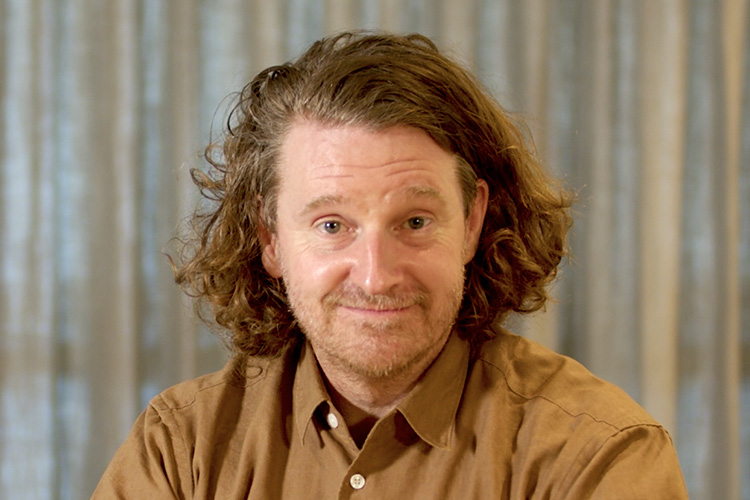
Andrew Mackinnon
Host
Andrew tells stories that uncover what drives people, how they plan, make decisions and shape life after work.
His background in journalism and communications brings complex topics like super and retirement to life in clear, relatable ways.
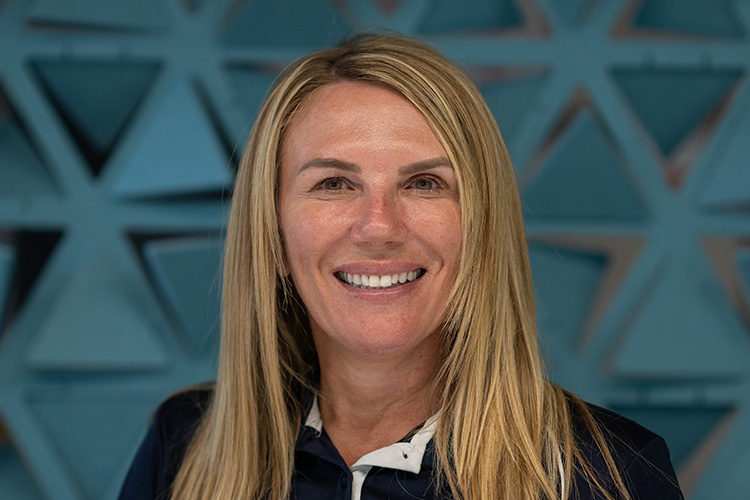
Tracie Wilson
CBUS Coordinator, QLD
Tracie brings 10 years of experience to CBUS in Queensland.
Specialising in member education, union engagement and helping younger members best understand super, she’s passionate about empowering members to plan early.
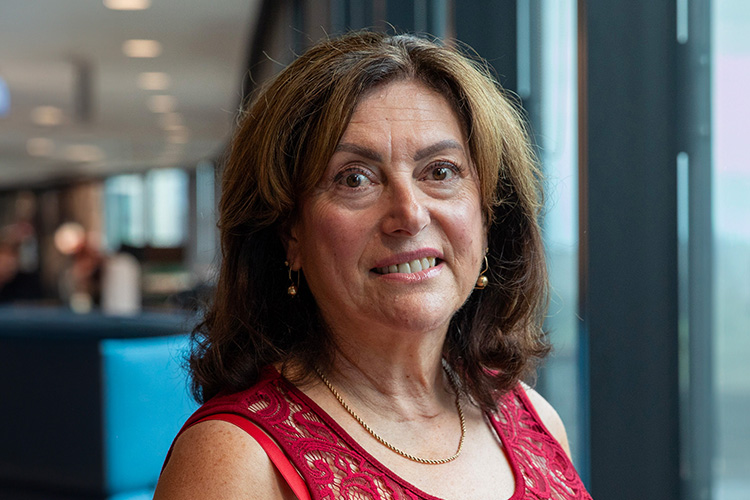
Dianne Abbley
CBUS Retirement Advice Consultant
Dianne's worked in superannuation close to 30 years.
She brings a wealth of knowledge to the podcast. Her goal has always been to empower members with the right tools to make the best decisions for their future.